vacuum
kirby
premium


Vacuum cleaners are some of the most frequently used appliances in the home, but many consumers aren’t sure how long they’re supposed to last. Some systems appear to wear out in just a few years, while others remain reliable for decades. So, how do you know when it’s time to repair, replace, or finally upgrade?
This article answers that common question by breaking down the average vacuum lifespan, identifying warning signs, and highlighting why investing in a system built to last, like a Kirby, often proves more cost-effective and dependable in the long run.
Most upright or canister vacuums typically last between five and eight years, depending on usage and the quality of the build. However, that average is influenced by a growing market of lightweight, budget-focused models that prioritise convenience over durability.
Many mass-market vacuums are made with plastic housings and lower-grade internal components. These systems are designed for short-term use, often with limited serviceability. In contrast, vacuums built with metal components and replaceable parts can last significantly longer, especially with regular maintenance.
Some messes demand extra power, while others require a gentler approach. Kirby vacuums are designed to provide strong suction across multiple settings, allowing homeowners to clean dust from hardwood one day and pet hair from carpet the next without needing different machines.
From delicate brushes to hard-surface tools, Kirby accessories help clean stairs, corners, tile grout, and more. Using the right tool alongside the correct settings ensures better cleaning without overworking the system.
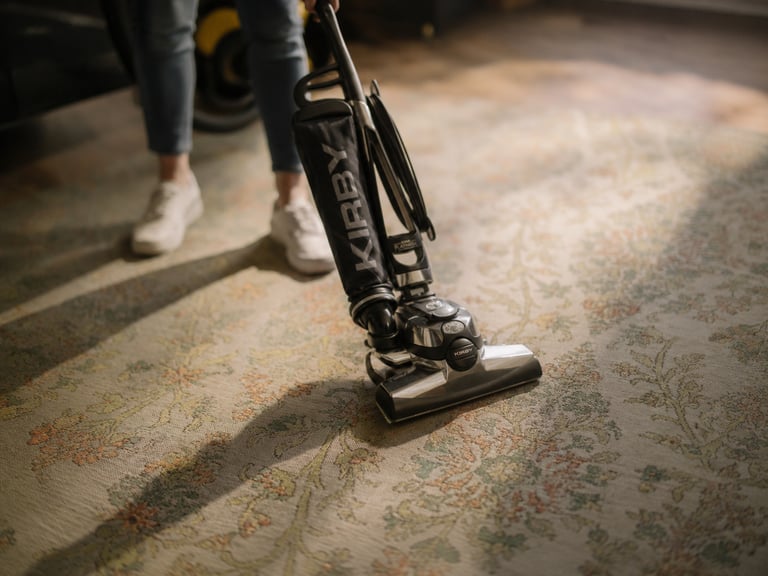
For carpet, adjust the vacuum height so the brush roll just touches the surface. This allows Kirby’s motorized head to agitate and lift debris from between carpet fibers. For high-pile or plush carpeting, a slightly raised setting prevents pulling or bunching.
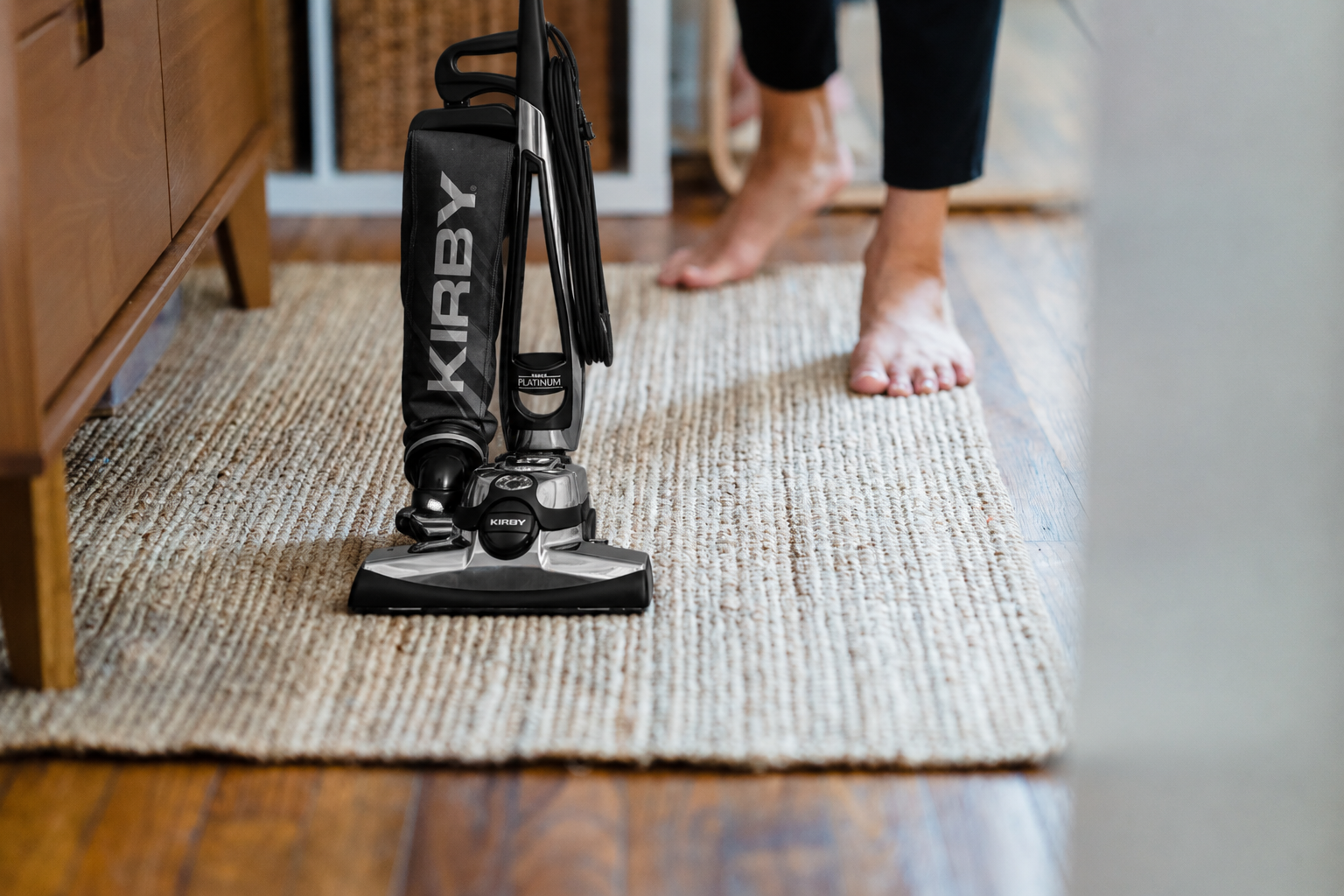 Area Rugs: Gentle Care Without Pulling or Snagging
Rugs often require a lighter touch. Use a higher setting with minimal suction to avoid lifting or dragging smaller or loosely woven rugs. Disabling the brush roll (when possible) also helps protect the fabric from wear.
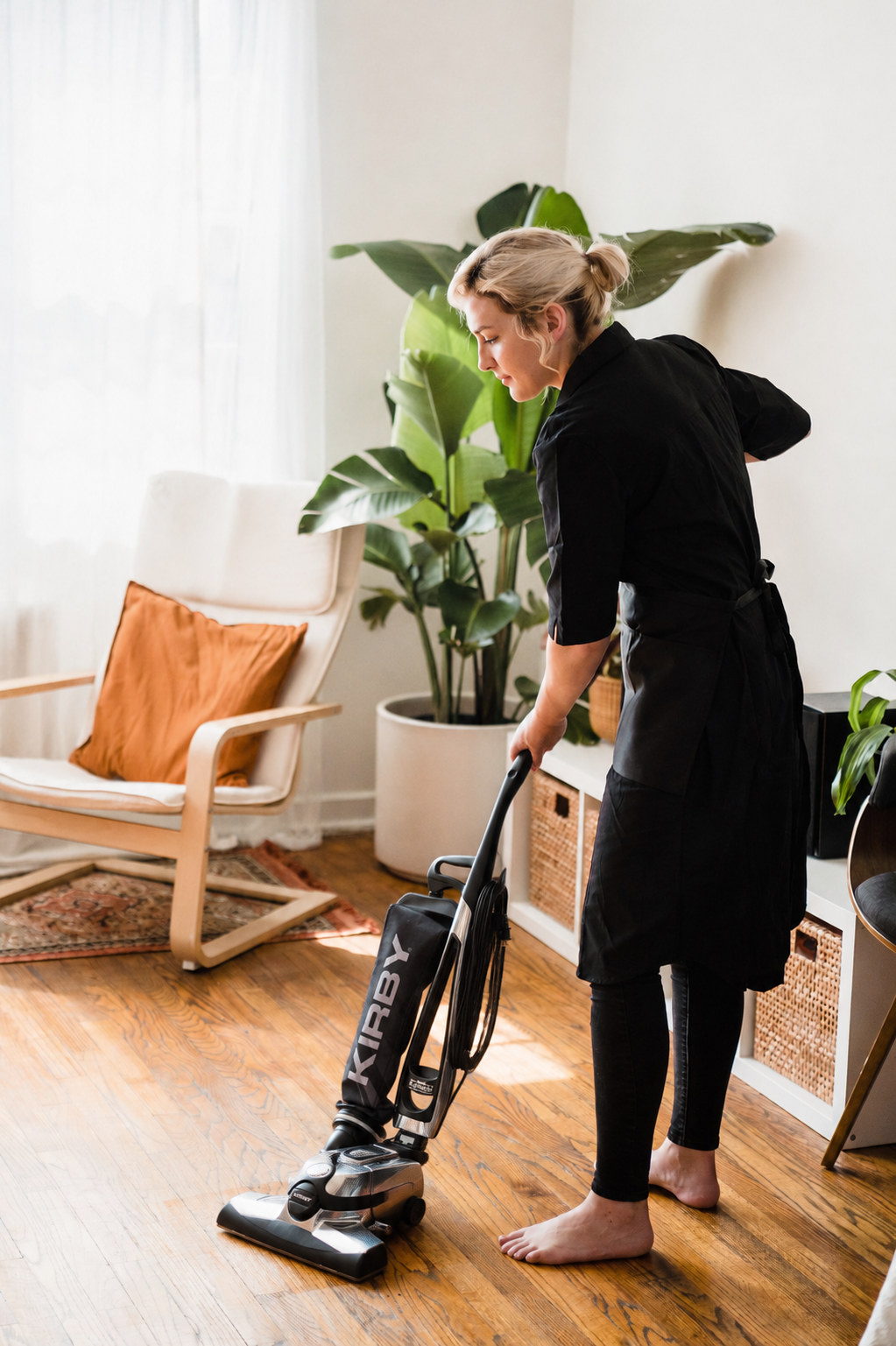
Cleaning hardwood, the vacuum head should hover just above the surface to avoid scuffing. Use suction-only tools or brush attachments to capture fine dust while protecting finishes.
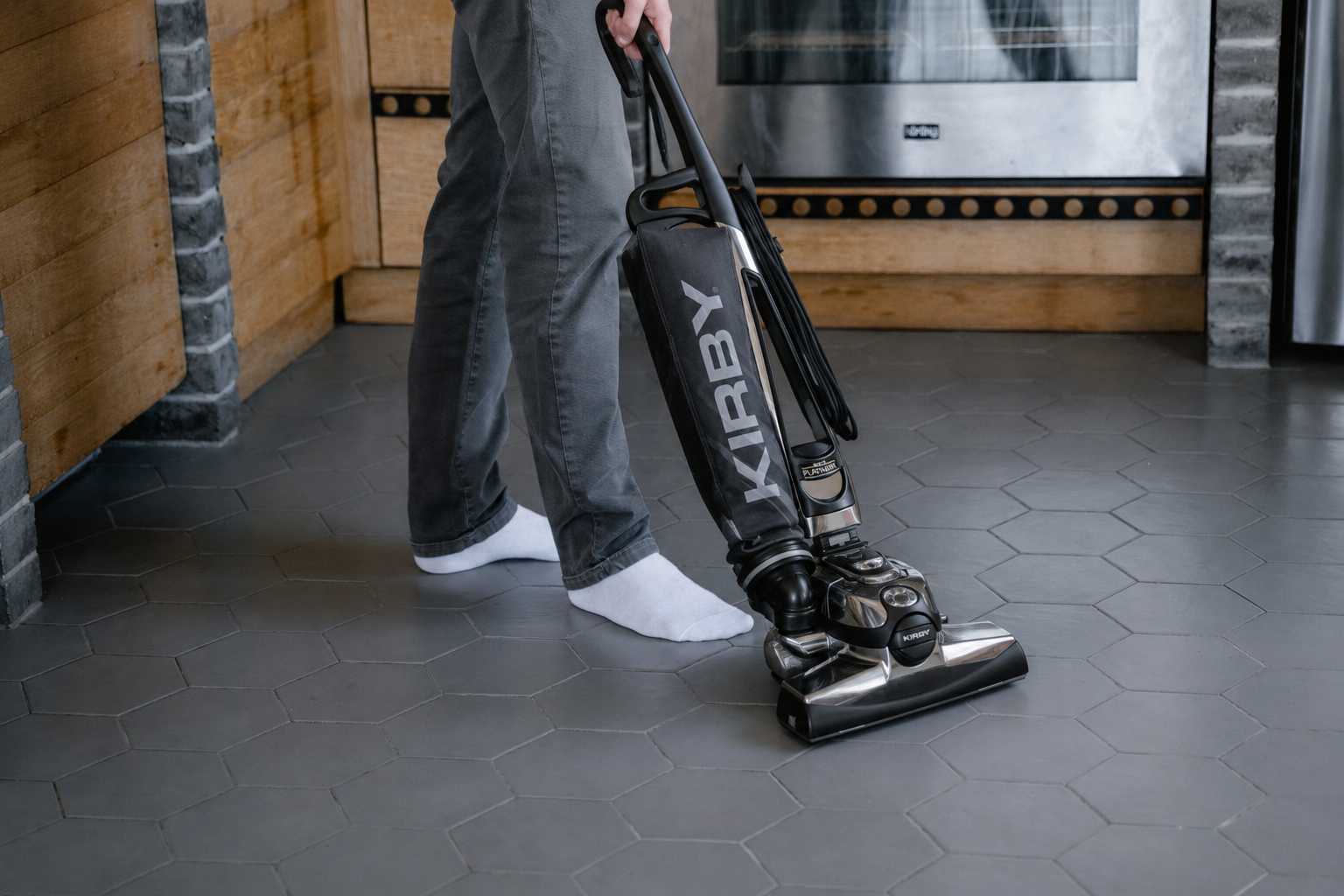
On tiles or stone floors, lower the head just enough to contact the surface, then use strong suction and proper attachments to clean grooves and grout lines. Kirby's brush attachments can dislodge buildup that settles in textured surfaces or edges.
Before vacuuming a new surface, test the height and suction settings in an inconspicuous corner; this helps prevent scuffs on hardwood or dragging on sensitive rugs, and ensures optimal performance before cleaning the entire area.
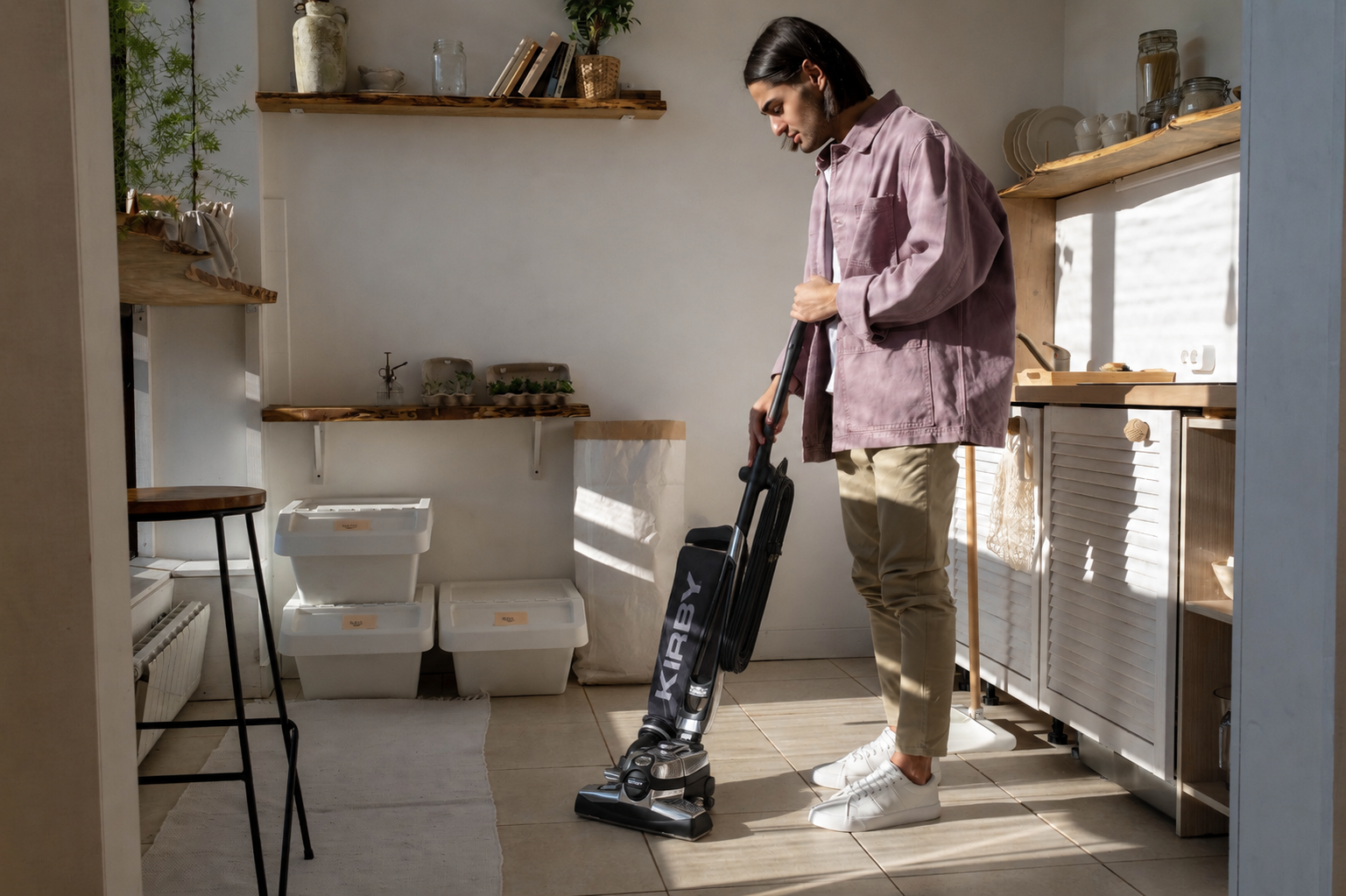
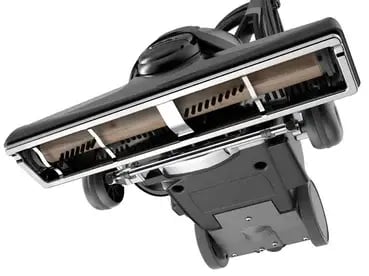
Dirty rollers or clogged filters can reduce suction and put extra strain on the motor. Follow the Kirby cleaning tips to inspect and maintain these components regularly.
Kirby offers a comprehensive library of videos, articles, and troubleshooting content to help users maximize the benefits of their vacuum. Whether adjusting height or cleaning rollers, the support team makes it easy to get answers fast.
From pet-specific tools to hard-floor cleaning attachments, Kirby's accessory kits help optimise cleaning power for every room in the house—while protecting your floors in the process.
Kirby vacuums are designed to perform across a wide range of surfaces without switching systems. With adjustable settings, durable parts, and precision-engineered tools, Kirby offers long-term versatility backed by high quality manufacturing and a support network.
A vacuum that performs well on carpet but scratches hardwood (or struggles on tile but snags rugs) forces compromise. Kirby eliminates that trade-off with thoughtful, adjustable engineering that helps protect your floors while improving cleaning results. With the proper settings and a few accessories, one system does it all.